
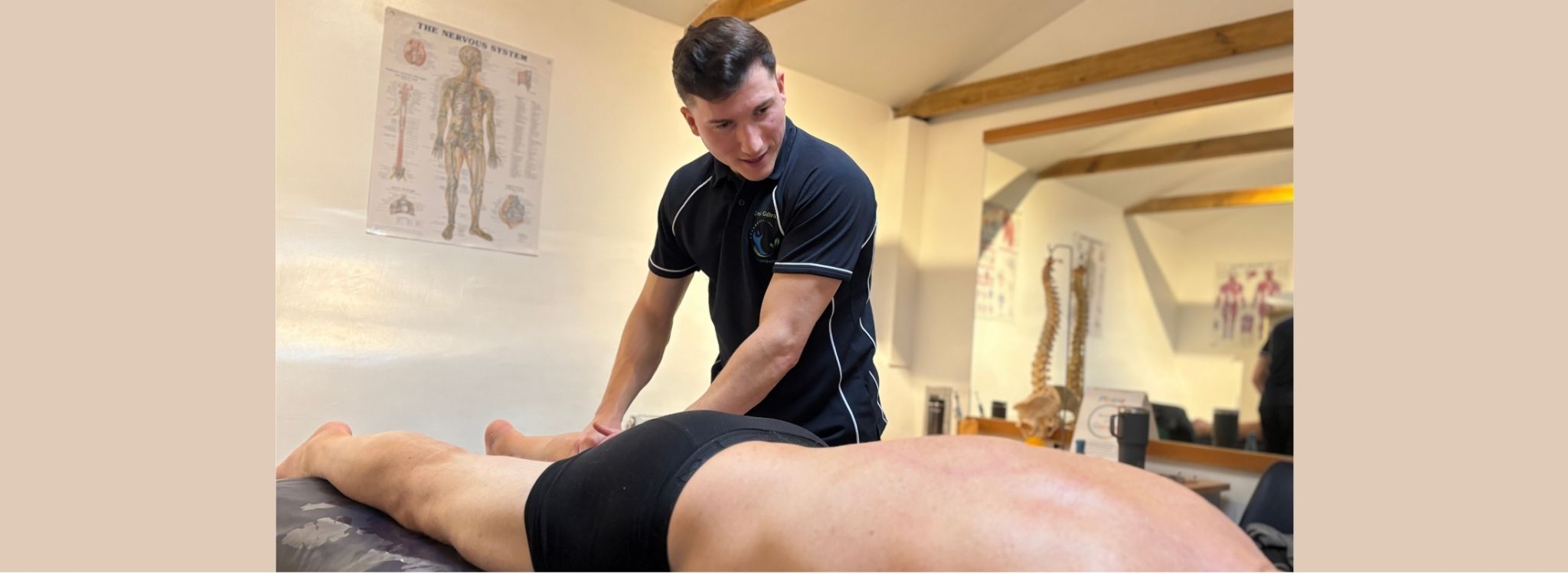
When people hear the word osteopathy, they often think of back pain. And while helping people with back and neck problems is certainly a big part of what osteopaths do, osteopathy can be useful for much more than that.
At Martinvale Clinic, our osteopaths work with people of all ages and activity levels, helping them understand their symptoms, improve movement and manage a wide range of muscle, joint and movement-related problems.
But what exactly is osteopathy, and how do you know if it could be right for you?
What is osteopathy?
Osteopathy is a hands-on approach to healthcare that focuses on how the body’s muscles, joints and other tissues work together.
An osteopath will take time to understand what is troubling you, including your symptoms, lifestyle, work, exercise and any previous injuries or health problems that may be relevant. They will then assess your movement and physical function before discussing their findings with you.
Treatment may involve a range of hands-on techniques designed to improve movement, reduce discomfort and help your body function more effectively. Your osteopath may also suggest exercises, stretches or changes to your everyday activities that can support your recovery.
Importantly, osteopathy isn’t simply about treating the area that hurts. Your osteopath will consider the bigger picture and how different parts of your body may be contributing to your symptoms.
Is osteopathy just for back pain?
Definitely not.
Back pain is one of the most common reasons people see an osteopath, but osteopaths also work with many other types of muscle and joint problems.
People may seek osteopathic treatment for issues including:
- Back and lower back pain
- Neck pain and stiffness
- Shoulder and arm problems
- Hip and knee discomfort
- Muscle aches and tension
- Joint stiffness
- Some types of headache associated with tension in the neck and upper body
- Sports and exercise-related injuries
- Problems associated with repetitive movements or prolonged sitting
- General aches and pains that are affecting everyday activities
Every person is different, which is why an individual assessment is so important.
Who can benefit from osteopathy?
People with everyday aches and pains
You don’t have to have a serious injury to benefit from seeing an osteopath.
Perhaps you’ve developed a stiff neck after spending too much time at your desk, your back has been bothering you after gardening, or you’re finding that your hips or shoulders aren’t moving as freely as they used to.
Sometimes these problems gradually build up rather than happening because of one particular injury. An osteopath can assess what may be contributing to the problem and help you develop a plan to manage it.
People who exercise or play sport
Whether you’re a keen runner, regularly visit the gym, play weekend sport or simply enjoy keeping active, your body is constantly adapting to the demands you put on it.
Injuries can happen, but so can smaller problems such as muscle tightness, stiffness or restricted movement. Addressing these issues early may help you stay active and prevent a minor problem from becoming a bigger interruption to your routine.
Osteopathy can also form part of a wider approach to recovering from an injury and returning to your normal activities.
People who spend a lot of time sitting or working at a desk
Modern working life isn’t always kind to our bodies.
Long periods sitting at a desk, working from home, driving or using a computer can contribute to stiffness and discomfort, particularly around the neck, shoulders and back.
If you’ve ever finished a day at your desk feeling like your shoulders have crept up towards your ears, you’re certainly not alone!
An osteopath can look at how you’re moving and discuss practical ways of managing your working environment and daily habits alongside any appropriate treatment.
People experiencing stiffness or reduced movement
As we get older, it’s common to notice that we aren’t quite as flexible or mobile as we once were.
That doesn’t necessarily mean you have to accept increasing stiffness as simply “getting older”.
Maintaining movement is important at every stage of life. If stiffness or discomfort is beginning to affect the things you enjoy doing, whether that’s walking, gardening, travelling, exercising or simply getting through the day comfortably, it may be worth having it assessed.
People recovering from an injury
An injury can affect much more than the original painful area.
After an injury, you may change the way you move to protect yourself. Sometimes these changes continue even after the original problem has improved, potentially placing additional demands on other muscles and joints.
An osteopath can assess how you’re moving and, where appropriate, work with you on restoring movement and confidence.
Do you have to be in pain to see an osteopath?
No.
Some people only seek help when a problem becomes painful enough to interfere with their lives. Others prefer to address stiffness, restricted movement or recurring problems before they become more troublesome.
There isn’t a single “right” reason to make an appointment.
If something doesn’t feel right, your movement has changed, or a recurring problem is starting to limit what you want to do, an assessment can help you understand what’s going on and what your options are.
What happens at your first osteopathy appointment?
If you’ve never seen an osteopath before, you may be wondering what to expect.
Your first appointment will usually begin with a conversation about your symptoms and what you’d like help with. Your osteopath may ask about your general health, lifestyle, work, exercise and any previous injuries that could be relevant.
They will then carry out an appropriate physical assessment, which may involve looking at your posture and movement and performing specific movements or tests.
Your osteopath will explain their findings and discuss the most appropriate options with you. If treatment is suitable, this may begin during your first appointment.
You may also be given advice or exercises to do between appointments.
The aim isn’t simply to provide treatment and send you on your way. Understanding your problem and knowing what you can do to help yourself is an important part of the process.
Osteopathy isn’t always the answer – and that’s okay
One of the advantages of seeing an experienced healthcare professional is that they can help determine whether the treatment you’re considering is actually appropriate for your problem.
Sometimes another type of treatment may be more suitable. At Martinvale Clinic, we offer a range of services including physiotherapy, Pilates, massage and acupuncture, alongside osteopathy.
Our team can help you work out which approach may be most appropriate for your individual needs. Where necessary, we can also advise you when further medical assessment is recommended.
Why choose Martinvale Clinic?
At Martinvale, we believe healthcare should be personal.
Our osteopathy team includes experienced male and female practitioners, and we understand that finding the right practitioner can make a real difference to your experience.
If you’re unsure whether osteopathy is right for you – or you’re not sure which of our practitioners would be the best fit – we’re happy to offer advice before you book.
You don’t need to know exactly what treatment you need before contacting us. That’s what we’re here to help with.
Could osteopathy help you?
If you’re experiencing pain, stiffness, reduced movement or a recurring muscle or joint problem, it may be worth finding out whether osteopathy could help.
And if you’re simply not sure where to start, get in touch with Martinvale Clinic. We’ll listen to what’s going on and help you find the right treatment or practitioner for your needs.
Martinvale Clinic – helping you move better, feel better and stay active.