A heavy head, pressure around your cheeks and sore ribs after days of coughing. Winter illnesses can leave you feeling uncomfortable long after you first reached for the tissues.
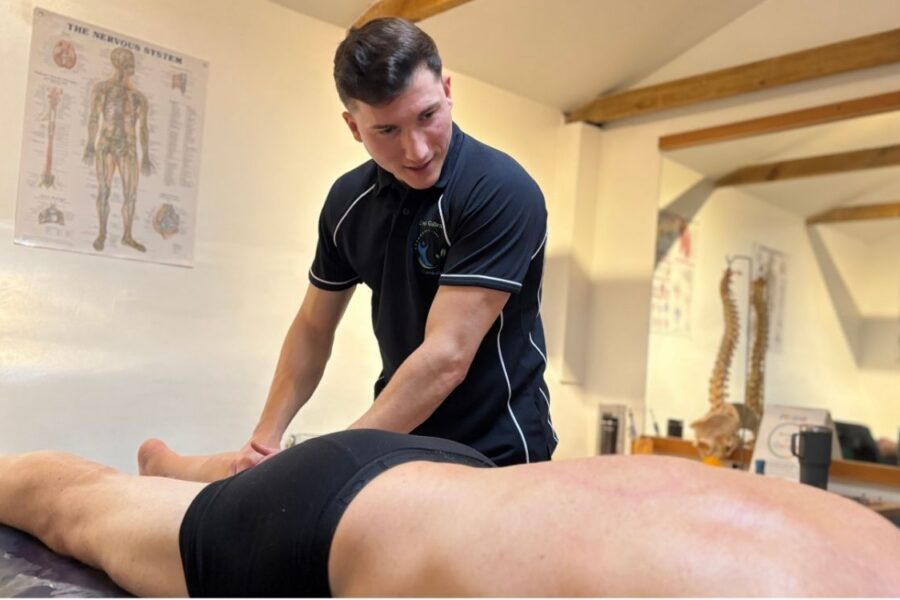
Osteopaths assess how your body moves and whether muscle tension or joint stiffness may be contributing to your discomfort. Treatment around the chest, neck and upper back may include hands-on techniques, breathing exercises and tailored movement advice.
But what do these techniques involve, and why might an osteopath consider them?
Easing the strain of repeated coughing
Coughing uses the muscles around your chest, ribs and abdomen. After a prolonged bout, these areas can feel sore and overworked.
Your osteopath will assess movement through your rib cage and upper back, looking for muscular tenderness or joint restriction that may be contributing to your discomfort.
Depending on your assessment, treatment may include soft-tissue massage, stretching and gentle joint mobilisation to ease muscular tension and improve movement.
Gentle movement advice can also help you ease back into your normal activities.
Encouraging movement through the chest
Your ribs, breastbone and upper back work together as your chest expands and relaxes with each breath.
Osteopathic chest techniques aim to encourage movement through these structures and address surrounding muscular tension.
What is sternal recoil?
The sternum is your breastbone, in the centre of your chest. Sternal recoil involves controlled pressure and release through this area.
The technique is intended to influence the movement and elasticity of the chest wall. An osteopath may use it within a wider treatment approach that considers your ribs, spine and breathing muscles.
Working around the diaphragm
Your diaphragm is the main muscle of breathing, sitting beneath your lungs.
An osteopath may assess movement around your lower ribs and use hands-on techniques intended to improve mobility in this area. Treatment may be accompanied by relaxed breathing exercises, helping you explore a comfortable breathing pattern.
Understanding sinus pressure
Your sinuses are small, air-filled spaces behind your cheeks and forehead. Their lining can become swollen during a cold, an allergy or sinusitis, affecting normal mucus drainage.
This can leave you with facial pressure, a blocked nose and that familiar heavy-headed feeling.
Some osteopaths use gentle techniques around the face, neck and upper chest as a complementary approach to these symptoms.
Gentle facial and lymphatic techniques
The lymphatic system collects excess fluid from body tissues and returns it to the bloodstream.
Manual lymphatic drainage uses light, slow, rhythmic movements intended to encourage this fluid movement. Around the head and neck, treatment may involve the collarbone region, neck and face, according to the practitioner’s assessment and training.
The pressure is gentle, with small movements of the skin rather than deep work into the muscles.
Small studies of combined osteopathic techniques have reported short-term improvements in sinus symptoms, including facial pressure. Research is still developing, so your practitioner should explain the likely benefits and uncertainties for your situation.
What are lymphatic pump techniques?
Osteopathic lymphatic pump techniques use rhythmic movements or pressure with the intention of encouraging lymphatic circulation.
A thoracic lymphatic pump works through the chest, sometimes coordinating pressure and release with breathing. It may be considered alongside techniques addressing rib-cage movement and the surrounding muscles.
The choice of technique depends on your symptoms, health history and examination. Each approach has a particular purpose, which your osteopath can explain before treatment.
Supporting yourself through recovery
A few simple habits can help you look after yourself while you recover:
- Make time for rest, returning to your normal routine gradually.
- Drink regularly to stay hydrated.
- Change position and move gently when you feel well enough.
- Ask a pharmacist about sinus symptoms, including whether saline nasal rinses or other treatments would be suitable.
- Seek advice about persistent symptoms, including a cough lasting more than three weeks or recurring sinus problems.
Starting with an assessment
At Martinvale Clinic, we begin by listening to your symptoms and understanding your medical history. We can then assess whether osteopathic care is appropriate and discuss a treatment plan.
If coughing has left you with sore ribs, a stiff upper back or neck discomfort, contact reception to enquire about an appointment. For ongoing sinus symptoms, reception can help direct your enquiry to the appropriate practitioner.
Please seek urgent medical advice for chest pain, new or worsening breathlessness, coughing up blood, or sinus symptoms with eye swelling or changes in vision. Call 999 for severe breathing difficulty. If you have a fever or feel acutely unwell, contact us before attending.
Martinvale Clinic. Helping you move better, feel better and stay active.